
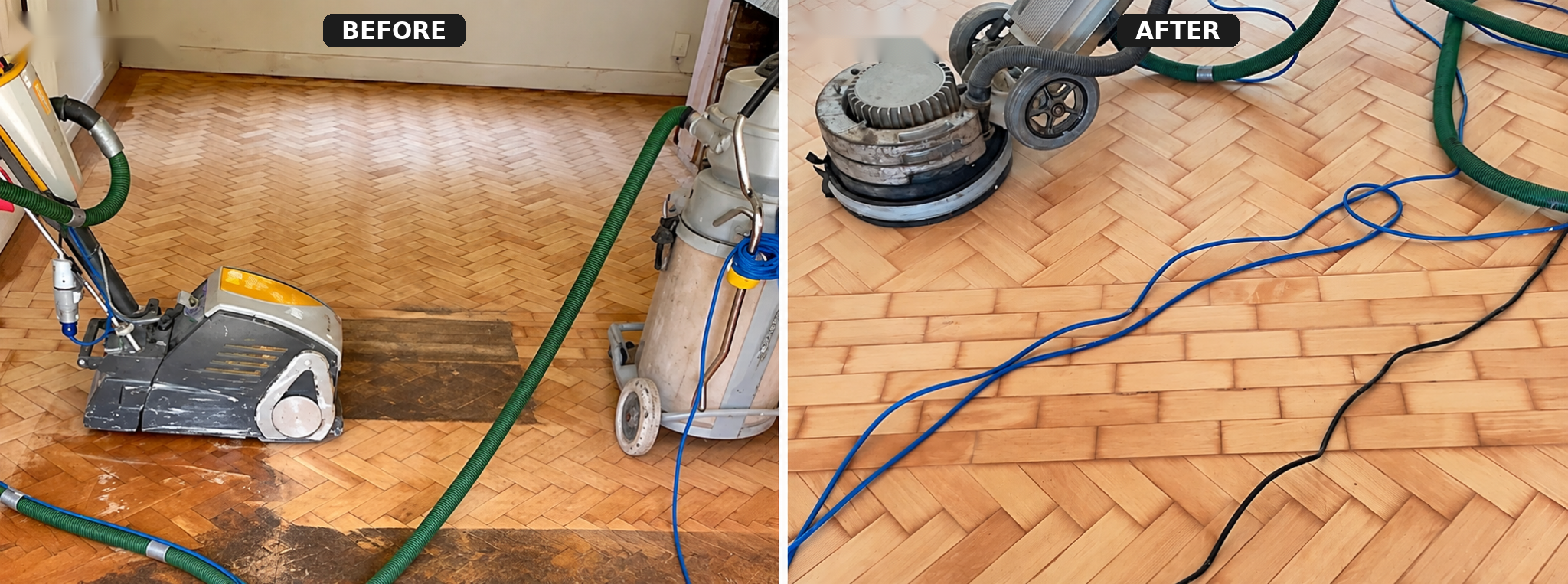
Wooden floors bring warmth, character and timeless appeal to a property. From original timber boards in period homes to parquet flooring in modern interiors, wood can remain an attractive feature for many years when properly maintained. However, everyday use gradually takes its toll. Foot traffic can leave scratches, furniture can cause scuffs, and the protective finish may become dull or uneven. Even when the wood underneath is still in good condition, the floor can begin to look tired.
Replacing the entire floor is not always necessary. Professional floor sanding and sealing can help restore suitable existing wooden flooring, improving its appearance while protecting the surface against everyday wear. For homeowners, landlords and commercial property owners in Surbiton, understanding the restoration process can help you decide whether your floor needs a new finish or more extensive repairs.
Surbiton Carpet & Flooring provides a dedicated wood flooring service, including sand and seal treatments, gap filling and protective finishes for suitable existing timber floors.
Why Are More Property Owners Considering Floor Restoration?
Flooring has a major influence on how a room looks and feels. A scratched wooden floor can make a well maintained property appear neglected, while a refreshed timber surface can bring out the natural grain and complement the rest of the interior. For many property owners, restoration is worth investigating before committing to replacement.
Older properties around Surbiton may contain original timber boards or parquet floors that contribute to their character. Removing these floors could mean losing features that are difficult to reproduce with new materials.
Landlords may also want to improve the presentation of a rental property between tenancies. Offices and commercial premises can benefit from restoring suitable timber floors that have become dull or marked through regular use.
There is no single solution for every floor, though. The condition of the boards, the thickness of the usable wood, previous treatments and any moisture problems all influence whether sanding and sealing is appropriate. A professional assessment is therefore a sensible starting point.
What Are Floor Sanding and Sealing Services?
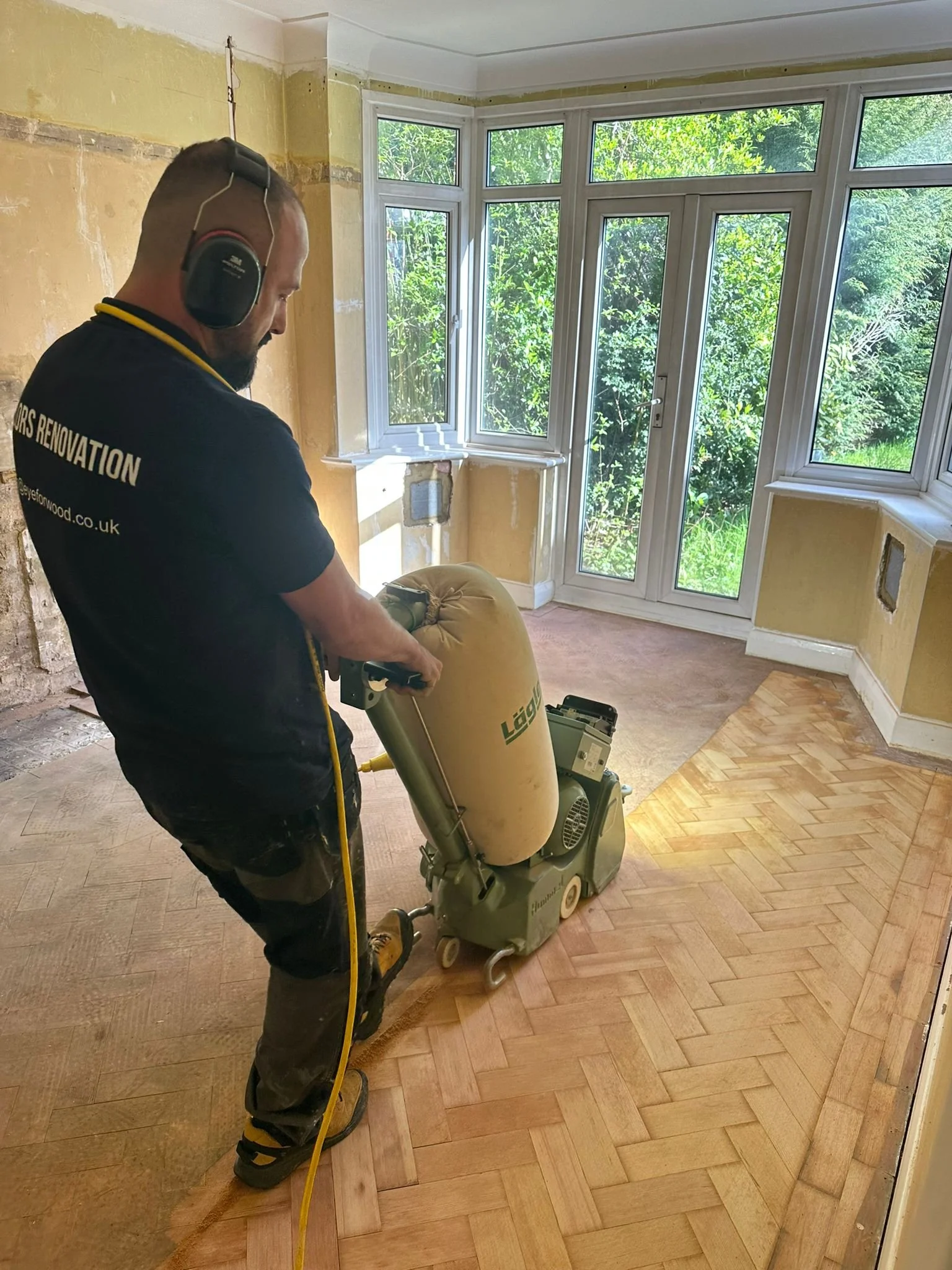
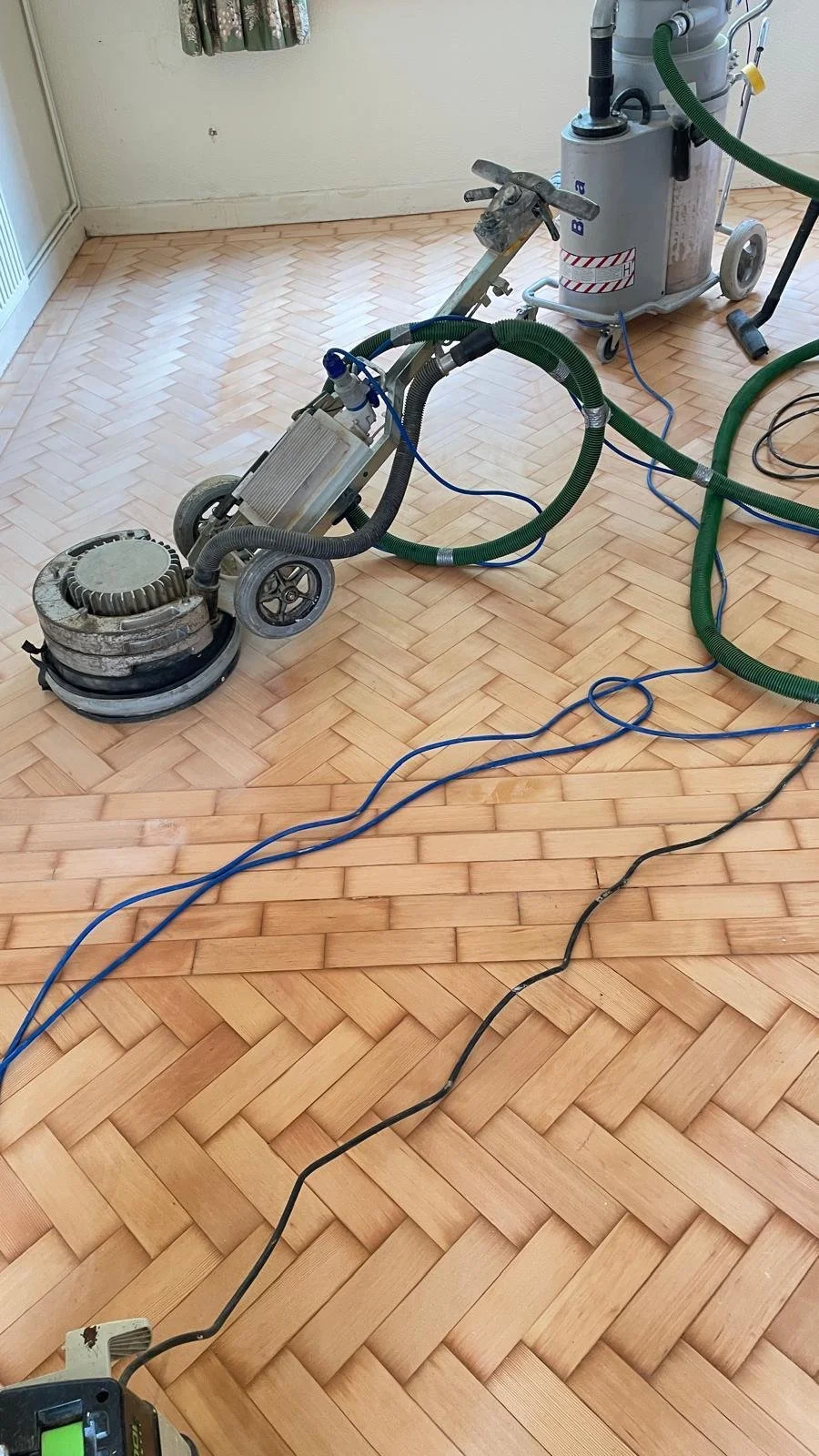
Floor sanding and sealing is a restoration process that removes an appropriate amount of the existing surface and applies a new protective finish. Although sanding and sealing are often discussed together, they perform different jobs.
Floor sanding removes the worn surface finish and smooths the timber. It can help reduce the appearance of scratches, surface marks, discolouration and minor unevenness, depending on their depth and the condition of the boards.
Floor sealing involves applying a suitable protective finish after preparation. This may be an oil, hardwax oil or lacquer, depending on the desired appearance, floor type and maintenance requirements.
The aim is to produce a cleaner, more consistent finish while helping protect the timber from everyday use. Surbiton Carpet & Flooring describes its sand and seal service as including dust controlled sanding, gap filling where appropriate, and premium oil or lacquer finishes.
What Problems Can Floor Sanding and Sealing Solve?
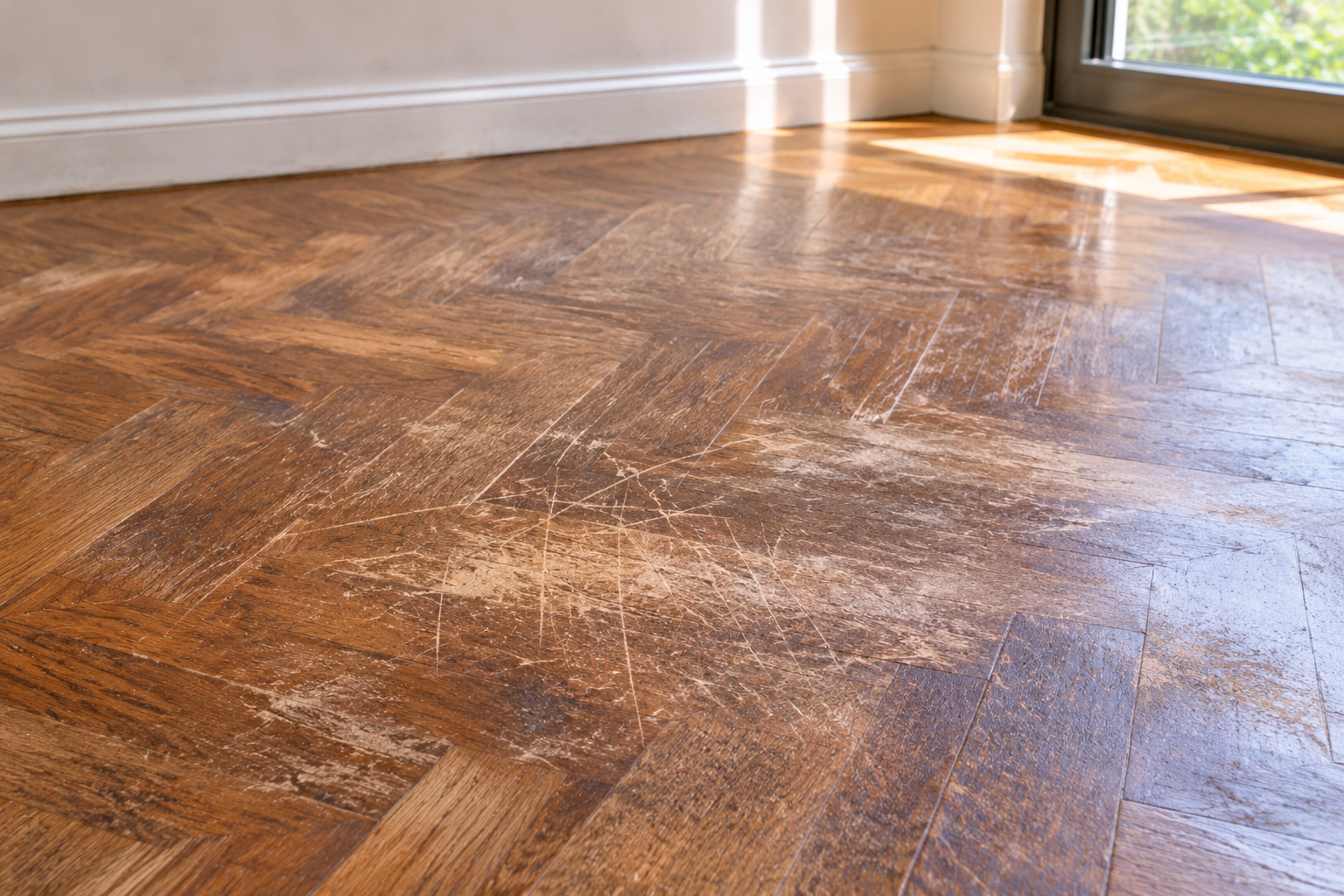
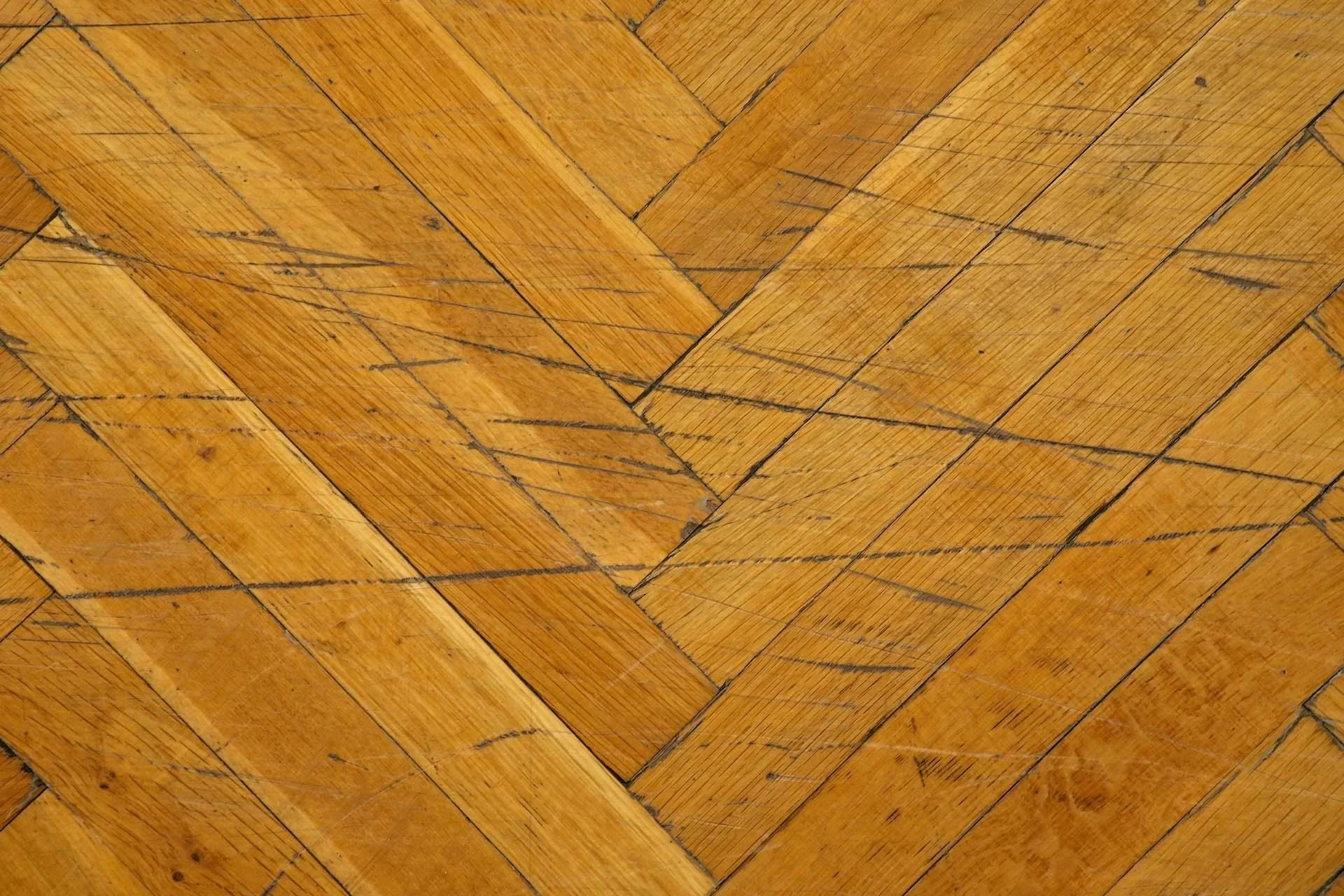
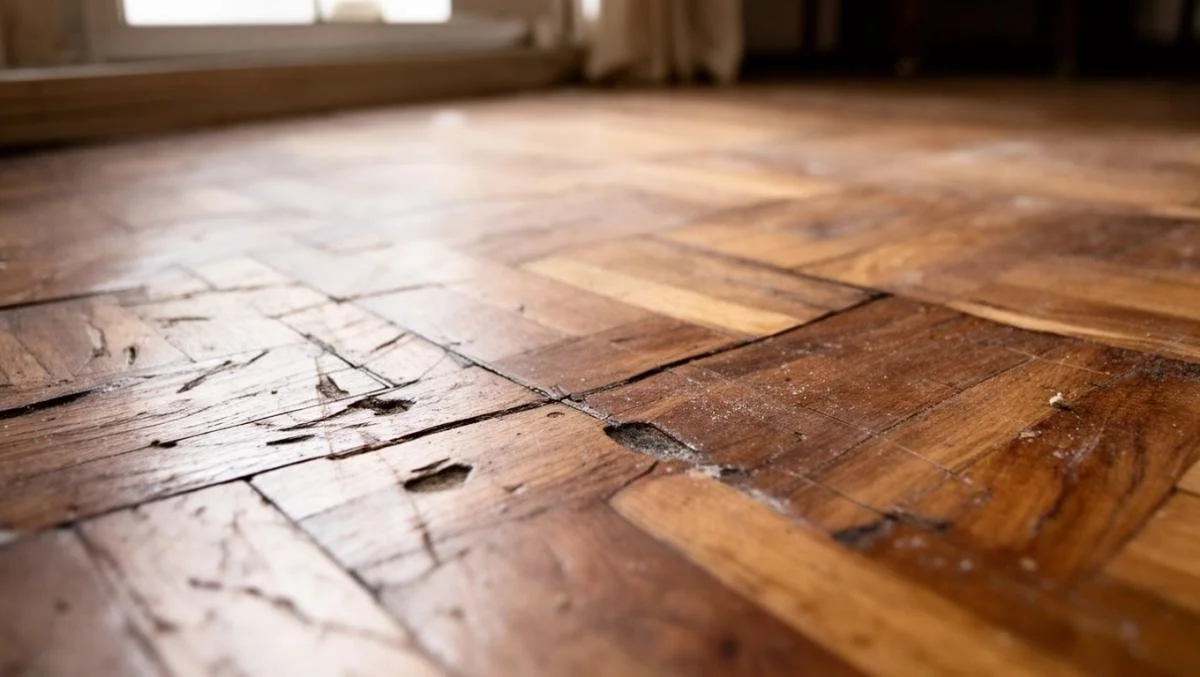
Scratched and Scuffed Wooden Floors
Chairs, shoes, pets and moving furniture can leave marks across a wooden floor. Over time, these marks may build up and make the surface look uneven. Sanding can reduce suitable surface scratches and help create a more consistent appearance. However, deep gouges or damage that extends into the timber may require repairs before refinishing.
Dull or Worn Finishes
A floor that once looked rich and vibrant may gradually lose its appearance as its protective coating wears away. Sanding and applying a new finish can revive the natural grain and give the floor a more uniform look. The result will depend on the wood species, previous treatment and condition of the surface.
Stained or Discoloured Areas
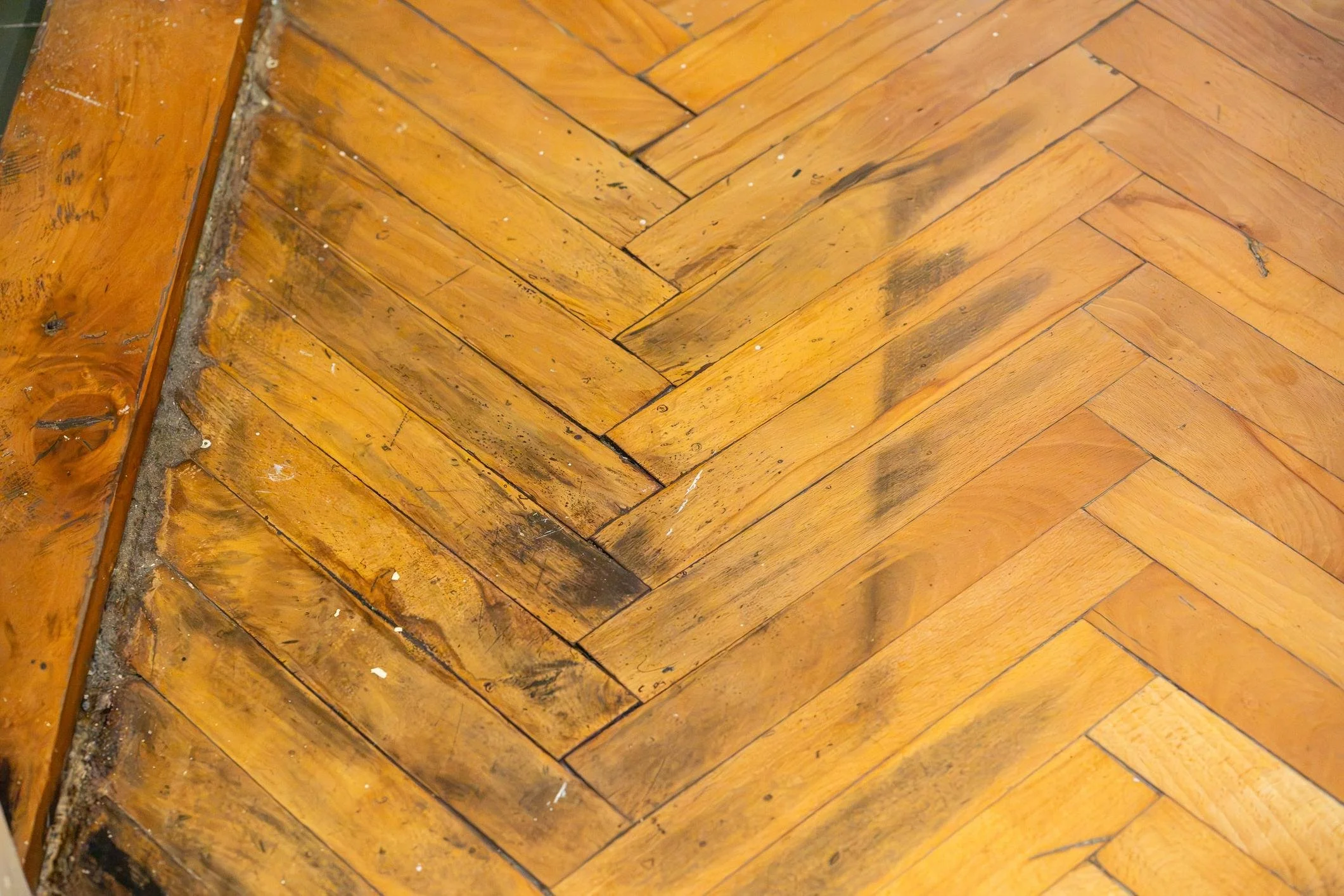
Spilled liquids, sunlight and previous cleaning products can contribute to discolouration. Some surface level marks may improve during sanding, but deep stains can remain visible. Black staining, in particular, may indicate moisture related damage or a reaction within the wood. An inspection helps establish whether refinishing is likely to achieve the desired result.
Worn Parquet and Herringbone Flooring
Parquet and herringbone floors can be attractive features in period homes and contemporary properties. Unfortunately, their joints, edges and individual blocks can become worn through years of use. Where the blocks are secure and the timber has sufficient usable thickness, professional sanding and sealing may restore their appearance. Loose, missing or damaged blocks may need attention first.
Floors That Look Tired Before a Property Sale or Letting
A worn floor can affect the first impression a visitor gets when entering a property. Restoring an existing timber floor may help create a cleaner, better maintained appearance without the disruption of a full replacement. For landlords and sellers, the best option depends on the floor's condition, the available budget and the expected result.
What Happens During Professional Floor Sanding and Sealing?
Understanding the process helps you prepare your property and know what to expect.
Step 1: Floor Inspection and Assessment
The first stage is to examine the existing flooring. A flooring specialist will consider the wood type, current finish, scratches, gaps, loose boards and any signs of moisture damage. Engineered wood requires particular care because its real wood top layer has a limited thickness. The assessment helps determine whether sanding is suitable and whether repairs or other preparation will be needed.
Step 2: Preparing the Room
Furniture and other items need to be removed from the working area. The floor is then checked for loose components, protruding fixings and other issues that could affect sanding. Good preparation matters because sanding cannot compensate for structural movement, persistent damp or an unstable subfloor.
Step 3: Dust Controlled Sanding
Professional sanding equipment is used to remove the existing finish and prepare the timber for refinishing. Dust controlled equipment helps manage airborne dust, although it does not guarantee a completely dust free environment. Appropriate protection and preparation may still be necessary. The sanding method must suit the floor. Original boards, parquet blocks and engineered wood can require different approaches.
Step 4: Repairs and Gap Filling
Where appropriate, minor gaps may be filled and small defects addressed before the final finish is applied. Not every gap should automatically be filled. Seasonal expansion and contraction can affect wooden floors, so a specialist should determine whether filling is suitable for the particular floor and environment. Larger gaps, loose blocks or damaged boards may need separate repairs.
Step 5: Applying the Protective Finish
Once the floor has been prepared and cleaned, the selected finish is applied according to the product instructions. Options commonly include natural oil, hardwax oil and lacquer. The appropriate choice depends on the desired appearance, expected traffic and ongoing maintenance preferences. Drying and curing times vary by product, conditions and the number of coats required.
Step 6: Final Checks and Aftercare
The finished floor should be checked for consistency and any remaining issues. The installer can also explain when furniture may be returned, when rugs can be placed and how the floor should be cleaned. Following these instructions helps protect the finish while it settles and during everyday use.
Which Floor Finish Should You Choose?
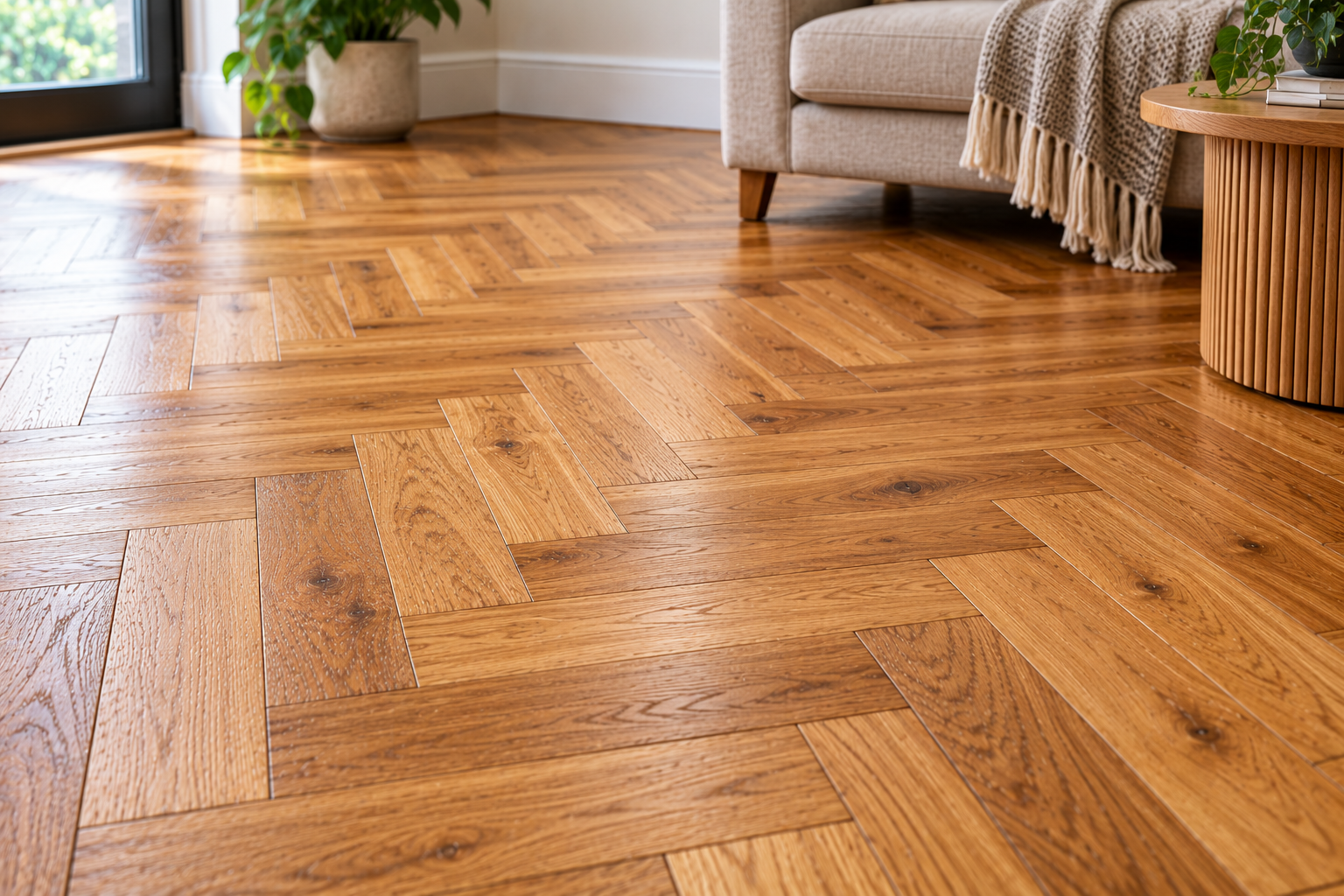
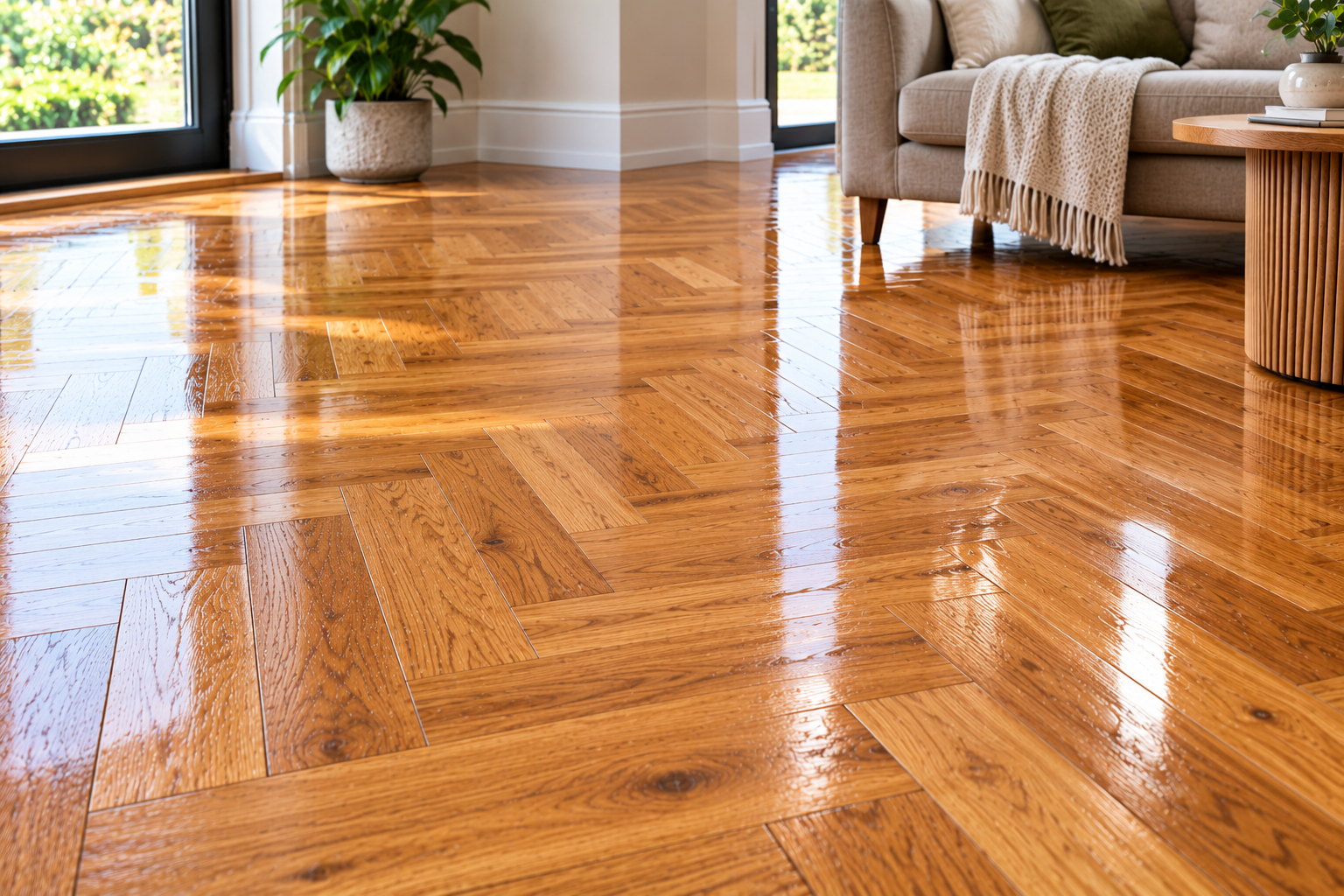
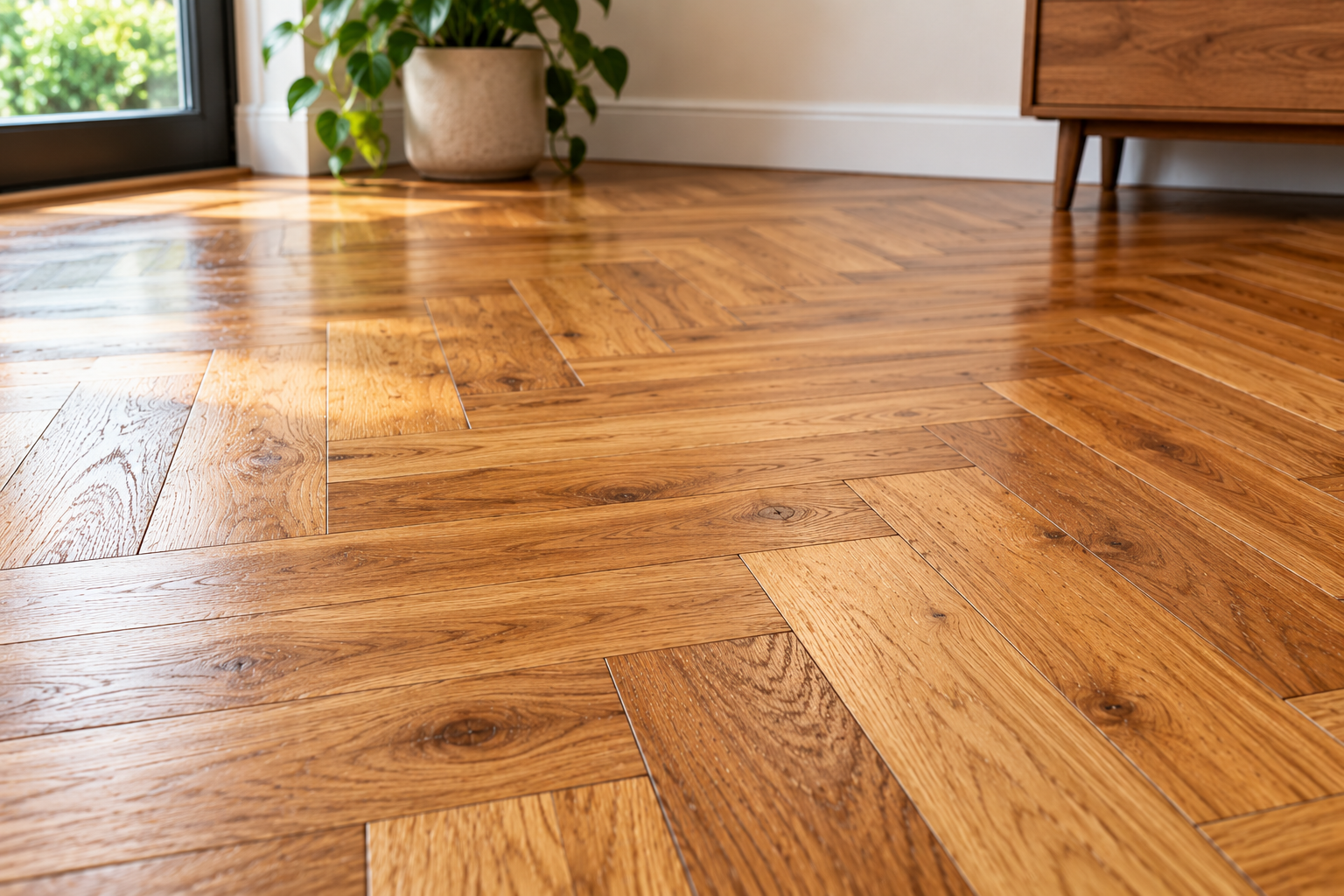
The finish affects both the appearance of the timber and how you care for it. There is no universally best option; the right choice depends on your priorities.
| Finish | Appearance | Points to consider |
|---|---|---|
| Natural oil | Enhances the wood's natural character | May need periodic maintenance or re oiling |
| Hardwax oil | Natural looking finish with a more protective surface | Requires product specific cleaning and maintenance |
| Lacquer | Available in matt, satin and other sheens | Can provide a practical protective surface; repairs may be more noticeable depending on the damage |
Natural Oil
Oil penetrates the timber and enhances the grain, creating a natural looking finish. It can be suitable for customers who prefer the appearance of real wood without a heavily coated look. Maintenance requirements depend on the product and how intensively the floor is used.
Hardwax Oil
Hardwax oil combines oil with wax components to create a natural looking surface with added protection. It can be a useful option for living spaces where customers want to preserve the timber's character. The recommended cleaning routine and maintenance schedule should be followed carefully.
Lacquer
Lacquer creates a protective surface coating and is available in different sheen levels, including matt and satin. It can be worth considering for busy rooms where straightforward routine care is important. The precise performance depends on the product specification and how the floor is used.
Is Floor Sanding Suitable for Every Wooden Floor?
No. A professional assessment is important before committing to restoration. Solid wood flooring can often be sanded and refinished several times, but the number of possible refinishing cycles depends on the board thickness and how much usable timber remains. Engineered wood flooring consists of a real wood surface layer over a layered core. Whether it can be sanded depends on the thickness of that surface layer and the manufacturer's guidance.
Some floors may be unsuitable for sanding because they are too thin, severely damaged, unstable or affected by moisture. Certain laminates and other wood effect floors cannot be restored through conventional timber sanding because they do not have a solid, sandable wood surface. If sanding is not suitable, replacing the floor may be the more practical option. You can compare alternatives through the company's wood flooring services.
What Are the Benefits of Professional Floor Sanding and Sealing?
Preserve Existing Timber
Where the floor is suitable, restoration allows you to retain existing wooden boards or parquet rather than removing them unnecessarily. This can be particularly valuable in older properties where the original flooring contributes to the building's character.
Improve the Appearance of Your Interior
A refreshed floor can make a room feel cleaner and more cohesive. The chosen finish can complement traditional furniture, contemporary interiors or a neutral colour scheme.
Add Protection Against Everyday Wear
A suitable finish helps protect the prepared timber surface against normal use. It does not make wood indestructible, so spills, grit and furniture movement still need to be managed.
Choose a Finish That Suits Your Lifestyle
Different finishes offer different appearances and maintenance requirements. Discussing these options before work begins helps you select a finish that suits the property and how the room is used.
Avoid Unnecessary Replacement
If the existing timber is structurally sound and suitable for restoration, sanding and sealing may offer an alternative to replacing the entire floor. Whether it is more economical depends on the condition of the floor, repair requirements and the extent of the work.
Floor Sanding and Sealing for Homes and Commercial Properties
The best restoration approach depends on the property and how the floor is used.
Homeowners may want to refresh living rooms, bedrooms, hallways or original parquet flooring while preserving the warmth of natural timber.
Landlords and property managers may need to restore floors between tenancies, especially when surface wear affects the overall presentation of the property.
Offices and commercial property owners may be concerned about visible wear in reception areas, corridors and other frequently used spaces. Scheduling, drying times and the expected traffic after completion should be considered before work begins.
Interior designers and renovation professionals may need a finish that complements other materials and the intended appearance of the space. For all these customers, an assessment of the existing timber is the first step towards choosing an appropriate solution.
Why Choose Surbiton Carpet & Flooring?

Choosing a flooring specialist involves more than finding someone with sanding equipment. You also need clear advice, appropriate preparation and a finish suited to the existing floor. Surbiton Carpet & Flooring states that it has over 15 years of flooring industry experience and more than 2,500 happy clients. Its wood flooring service includes dust controlled sanding, gap filling where appropriate, and premium oil and lacquer finishes.
The company also offers a wider wood flooring service covering engineered wood, solid wood and herringbone or parquet flooring. This means customers can discuss restoration alongside replacement options if the existing floor is not suitable for sanding.
Its service process includes a home assessment, a quotation and scheduling before work begins. The company also advertises free measuring and quotations, fully insured fitters and an uplift and removal service for relevant flooring projects. For local customers, the showroom is located at 5 Victoria Road, Surbiton, KT6 4JU.
Frequently Asked Questions
-
Common signs include a dull finish, visible surface scratches, worn areas and uneven discolouration. If the timber is structurally sound, restoration may be possible. Deep damage, moisture issues or loose boards need to be assessed first.
-
The time required depends on the floor area, its condition, the repairs needed and the finish selected. Drying and curing can add time after the sanding work is complete. Ask your flooring specialist for a schedule based on your specific project.
-
Dust controlled sanding equipment helps reduce airborne dust, but some dust may remain. Removing or protecting furniture and following the contractor's preparation guidance can help minimise disruption.
-
Some engineered wood floors can be sanded, but not all. The thickness of the real wood top layer and the manufacturer's recommendations determine whether restoration is appropriate.
-
Sanding can reduce many surface marks, but deep scratches and stains may remain or require repairs. An inspection is the best way to establish realistic expectations before work begins.
-
There is no single best finish for every property. Oil, hardwax oil and lacquer differ in appearance, protection and maintenance requirements. The choice should reflect the type of timber, level of use and desired finish.
-
Yes, parquet can often be sanded and refinished if its blocks are secure and enough usable timber remains. Loose, damaged or missing blocks may need repair first.
Restore Your Wooden Floors with Professional Sanding and Sealing
Scratched, dull or worn wooden flooring does not always need to be replaced. If the existing timber is suitable, professional sanding and sealing can help bring back its natural character and create a refreshed finish. The important first step is to understand the condition of the floor and choose the right restoration method and protective finish.
Whether you are maintaining a period home, preparing a rental property, renovating a commercial interior or refreshing a parquet floor, Surbiton Carpet & Flooring can help you explore the available options. Contact Surbiton Carpet & Flooring to discuss your floor sanding and sealing requirements.
